
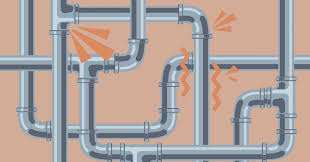
Noisy water pipes can be an annoying and even alarming problem in any home. If you hear banging, whistling, or rattling sounds coming from your plumbing system, it’s a sign that something needs attention. While some pipe noises are harmless, others can indicate issues that might lead to leaks or damage if left unaddressed. Fortunately, there are several ways to reduce or eliminate these sounds, and if the problem persists, calling a plumber near me can help diagnose and fix the issue effectively.
Common Causes of Noisy Water Pipes
Before you can quiet your pipes, it’s important to understand what’s causing the noise. Here are some common culprits:
1. Water Hammer
A loud banging noise when you turn off a faucet or appliance is likely due to water hammer. This happens when water suddenly stops or changes direction in the pipes, causing a shockwave that creates the sound.
2. High Water Pressure
Excessively high water pressure can cause pipes to vibrate and create loud noises, especially when turning on faucets or using appliances like washing machines and dishwashers.
3. Loose Pipes
If your pipes aren’t secured properly, they can rattle and bang against walls or framing when water flows through them.
4. Air in the Pipes
A whistling or gurgling noise might indicate air trapped in the plumbing system, often due to issues with the water supply or improper installation.
5. Worn-Out Washers or Valves
If you hear a high-pitched whistling sound, it could be due to worn-out washers or valves inside faucets, appliances, or the main shutoff valve.
How to Reduce Noise in Your Water Pipes
Now that you know what might be causing the noise, let’s explore some solutions.
1. Install Water Hammer Arrestors
If you’re experiencing water hammer, installing water hammer arrestors can help absorb the shock of water stopping suddenly. These devices contain air chambers or springs that cushion the impact, reducing the banging sound. A plumber near me can install these in key locations, such as near washing machines or dishwashers.
2. Reduce Water Pressure
If high water pressure is the issue, adjusting it can help quiet your pipes and also protect your plumbing system from long-term damage.
How to Fix It:
- Use a pressure gauge to check your home’s water pressure. Ideal residential water pressure should be between 40-60 psi.
- If the pressure is too high, install a pressure-reducing valve (PRV) on your main water line.
- If you already have a PRV, it may need adjusting or replacing. A plumbing services in Carlsbad professional can help with this.
3. Secure Loose Pipes
Pipes that aren’t properly secured can move and create noise.
How to Fix It:
- Check under sinks, in basements, and in crawl spaces for loose pipes.
- Use pipe clamps or foam padding to secure pipes to walls or framing.
- If the noise is coming from inside walls, a plumber near me can access and properly secure the pipes without causing unnecessary damage to your home.
4. Drain and Refill Your Pipes to Remove Air
If trapped air is causing whistling or gurgling noises, you can try flushing the system.
How to Fix It:
- Turn off your home’s main water supply.
- Open all faucets, including those outside, to drain the water completely.
- Once drained, turn the water supply back on and let the air escape from the faucets before closing them.
This simple step can help clear out air pockets that cause noise.
5. Replace Worn-Out Washers and Valves
If your pipes whistle or squeal when turning on a faucet or appliance, the problem may be a worn-out washer or valve.
How to Fix It:
- Check individual faucets by turning them on one at a time. If one faucet makes noise, it likely needs a new washer.
- If all faucets make noise, the issue could be with the main shutoff valve or water heater.
- In some cases, replacing the faulty parts can resolve the issue. If you’re unsure how to do this, hiring plumbing services in Carlsbad can ensure the repair is done correctly.
6. Insulate Your Pipes
If you’re hearing rattling or knocking sounds, insulating your pipes can help dampen the noise.
How to Fix It:
- Use foam pipe insulation or rubber padding to wrap around pipes, especially in areas where they run through walls or floors.
- Insulation also helps prevent pipes from freezing in cold weather.
When to Call a Professional Plumber
If you’ve tried the above solutions and your pipes are still noisy, it may be time to call a plumber near me for a professional assessment. A plumber can:
- Inspect your entire plumbing system to diagnose hidden issues.
- Install or repair pressure-reducing valves, water hammer arrestors, and insulation.
- Replace or secure pipes in difficult-to-reach areas.
- Ensure your plumbing system is up to code and functioning safely.
Conclusion
Noisy water pipes can be irritating and, in some cases, a warning sign of underlying plumbing problems. Whether it’s due to water hammer, high pressure, loose pipes, or air pockets, there are several ways to reduce or eliminate the noise. Simple fixes like securing pipes, replacing washers, and adjusting water pressure can often be done by homeowners. However, for persistent or complex issues, plumbing services in Carlsbad can provide expert solutions to ensure your pipes run quietly and efficiently.
If your plumbing noise is getting out of hand, don’t hesitate to call a plumber near me to diagnose and fix the problem before it leads to bigger issues down the road.