
Pinhole Leak Repair: What Homeowners Need to Know

The Most Frustrating Type of Leak is Often the Least Noticeable

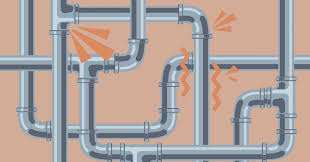
Pinhole leaks in plumbing systems are a common and frustrating type of leak many homeowners experience. A typical pinhole leak is about the size of the tip of a pen, however, the potential damage caused by these leaks can be substantial. Because most pinhole leaks occur gradually and are not easily seen, they often do not get noticed until there is evidence of water damage such as discoloration of walls or ceilings, mold growth, or structural damage.

Knowing how to fix a pinhole leak, will allow you to quickly respond to this type of damage to your home and keep it from becoming worse.

Most people find out about pinhole leaks while frantically looking for “plumbing services near me”. However, being aware of the common signs and causes of pinhole leaks will allow you to notify a local plumber before the damage gets severe, thus conserving your money and minimizing damage to your home.

What Is A Pinhole Leak?

A pinhole leak is a very small hole in a pipe. The majority of pinhole leaks occur in copper pipes, and the reason for most of them is corrosion or other types of chemical reactions occurring within the pipe itself. Although the opening of a pinhole leak may be small enough to be difficult to see, continued flow of water into the pipe will create extensive damage behind walls, ceiling or under flooring.

Unlike bursting pipes, pinhole leaks normally occur gradually. Where a small leak at first will eventually grow into an open flow of water, which will increase your monthly water bill, and could also result in a moisture issue, that is concealed from view.

Causes Of Pinhole Leaks

Knowing the reason for the pinhole leak will assist in determining the proper method of repair.

1. Pipe Corrosion

Corrosion of copper pipes occurs due to water chemistry; excessive amounts of minerals, or acidic content, in the water flowing through the pipe. If the pipe is weakened enough by the corrosion, a small hole will eventually begin to form in the pipe.

2. Incorrect Water Flow Rates or Pressure

High velocity water flow rates or pressures can erode the interior surface of a pipe, creating thin areas, which ultimately form pinholes.

3. Bad Workmanship or Sub-Standard Materials

Poorly sized pipes, low-quality piping materials, or poorly installed piping can all add to stress on the pipes. A local plumber can tell you if the improper workmanship was what created the issue.

4. Old Plumbing Systems

Older homes have a greater chance of having pinhole leaks because the original piping is probably beyond its normal life expectancy.

Common Signs Of Pinhole Leaks

As pinhole leaks are usually hidden from view, you need to be aware of the following indicators of a pinhole leak:

Increased Water Bills

Water Stains On Walls Or Ceilings

Musty Odors

Decreased Water Pressure

Sound Of Running Water When Fixtures Are Off

If you notice any of the above indicators, searching for “plumbing services near me” as soon as possible will likely minimize additional damage to your home.

Why DIY Repairs Won’t Be Enough

Using DIY remedies, such as pipe clamps, epoxy, or tape, may temporarily halt a leak, but they won’t resolve the root cause of the problem. Since corrosion may affect multiple parts of a pipe, another pinhole leak may occur somewhere else.

Temporary solutions to pinhole leaks can:

Collapse Under Pressure

Hide More Severe Corrosion

Result In Multiple Repeated Leaks

A professional local plumber will evaluate whether to perform spot repair, replace the entire pipe, or repipe the entire system to provide a secure and long-lasting remedy to the issue.

Pinhole Leak Repair Methods Used By Professional Plumbers

Your plumber will choose the most suitable option depending on where, how big, and why the leak occurred.

Spot Repair

If the corrosion is minimal, the damaged portion of the pipe may be removed and replaced. Spot repair is usually used for isolated leaks.

Pipe Rerouting

When accessing a leak in a hard to access place, rerouting the pipe through a wall or ceiling can be more cost-effective than tearing up a large area of drywall.

Partial Or Complete Repiping

If you’re experiencing continuous pinhole leaks, your plumber may recommend full or partial repiping. Even though this is a much bigger expense, it will give you long term piece of mind and eliminate the possibility of future pinhole leaks.

According to the U.S. Environmental Protection Agency (EPA), household leaks can waste thousands of gallons of water each year if they’re not properly repaired (link suggestion to: EPA WaterSense). Correctly repairing pinhole leaks will both help to conserve water and lower your water utility bills.

How Does A Local Plumber Identify And Locate Pinhole Leaks?

Plumbers who specialize in finding and repairing pinhole leaks use specialized equipment and methods to locate the leaks without damaging walls, ceilings, or floors.

Electronic Leak Detection

Pressure Testing

Visual Inspection of Exposed Piping

Water Quality Analysis

By accurately locating the source of the pinhole leak, your plumber will be able to target and correct the issue effectively, avoiding the necessity of demolishing walls, ceilings, or floors.

Reducing Your Risk For Future Pinhole Leaks

Although some leaks cannot be prevented, you can significantly reduce your risk for future pinhole leaks by doing the following:

Keeping your water pressure safe.

Installing a pressure regulator if necessary.

Scheduling regular plumbing inspections.

Repairing Small Leaks Immediately

Monitoring the quality of your water.

Having your plumbing inspected regularly by a local plumber will enable you to identify the initial signs of corrosion, and potentially avoid future leaks altogether.

When To Contact A Plumber

You Should Contact A Plumber If:

You’ve Had More Than One Pinhole Leak

Leaks Occur In Different Locations

Visible Water Damage Exists

Pipes Are Older Than Average Age

Searching for plumbing services near me will ensure the issue is resolved properly, according to the applicable local plumbing codes.

Summary

Even though pinhole leaks may be relatively small, the amount of damage to your home can be significant if the issue goes unresolved. Learning how to diagnose and repair pinhole leaks will empower homeowners to act immediately upon identifying a potential issue. Temporary fixes may solve the immediate issue, but a qualified plumber’s evaluation is the safest course of action to address the issue properly.

Should you suspect a pinhole leak, contacting a reputable plumber who offers plumbing services near you will save you money by preventing further damage and the repeated expenses associated with repairing the same leak multiple times. Rather than allowing the issue to get worse, search online for “plumbing services near me”, and protect your home using a permanent, professional solution.
Common Causes of Noisy Pipes in Your Home

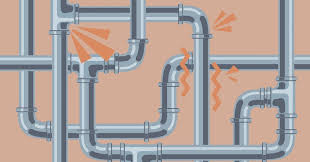
Hearing strange noises from your plumbing can be unsettling especially if you’re unsure what’s causing them. From banging to whistling, these sounds often signal underlying issues that need attention. The good news? Most noisy pipe problems can be fixed once the cause is identified. Whether it’s a water hammer, loose pipes, or excessive water pressure, understanding the root of the problem is the first step. The best plumbing companies in Carlsbad can quickly diagnose and resolve these issues, saving you from costly damage and future headaches.


Common Reasons Your Pipes Are Making Noise

1. Water Hammer

A loud banging or knocking noise when you turn off a faucet often points to a condition called water hammer. This occurs when the water flow suddenly stops, creating a shockwave that rattles your pipes. Over time, water hammer can damage your plumbing system. A plumber near me can install water hammer arrestors to absorb the shock and prevent future noise.

2. High Water Pressure

If your water pressure is too high, you might hear whistling or humming sounds coming from your pipes. Excessive pressure can strain your plumbing, cause leaks, and shorten the lifespan of your fixtures. The best plumbing companies in Carlsbad use pressure gauges to measure and adjust water pressure to safe levels.

3. Loose or Unsecured Pipes

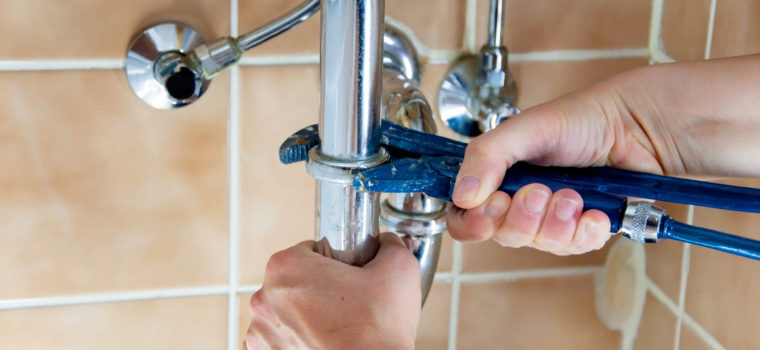
When pipes aren’t properly secured, they can vibrate or rattle against walls, especially when water flows through them. This is common in older homes where pipe supports have worn out or shifted. A skilled plumber near me can re-secure these pipes with proper brackets and insulation.

4. Air in the Pipes

Gurgling or bubbling sounds often mean air has become trapped in your plumbing system. This can happen after plumbing repairs, during water shut-offs, or due to leaks in your supply lines. Bleeding the pipes or fixing the leak can restore quiet operation.

5. Mineral Buildup

In areas with hard water, minerals like calcium can accumulate inside your pipes, causing whistling or hissing sounds. This buildup restricts water flow and increases pressure in certain spots. The best plumbing companies in Carlsbad can descale your pipes or install a water softener to prevent future buildup.

6. Faulty Valves or Fixtures

Sometimes the noise isn’t from the pipes themselves but from worn-out valves, washers, or faucets. If you hear squealing when turning on the tap, a plumber near me can replace the faulty parts and eliminate the sound.


Why You Shouldn’t Ignore Noisy Pipes

While a little noise may seem harmless, it often indicates a deeper problem. Left unchecked, noisy pipes can lead to:

  • Pipe Damage: Constant vibration and pressure fluctuations can cause leaks or bursts.
  • Higher Water Bills: Leaks from damaged pipes waste water and increase costs.
  • Water Damage: Unresolved leaks can lead to mold growth and structural damage.

By calling one of the best plumbing companies in Carlsbad early, you can address the root cause before it turns into an expensive repair.


Professional Solutions for Quiet Pipes

A qualified plumber near me can provide solutions tailored to the specific cause of the noise, such as:

  • Installing water hammer arrestors
  • Adjusting water pressure regulators
  • Securing or insulating loose pipes
  • Flushing and descaling pipes
  • Replacing worn-out valves and fixtures

Many companies also offer preventative maintenance services to keep your plumbing in top shape and avoid future noise problems.


Conclusion

Noisy pipes are more than just an annoyance they’re a warning sign that something isn’t right with your plumbing system. Understanding the common causes can help you take quick action. Whether it’s water hammer, high pressure, or mineral buildup, the best plumbing companies in Carlsbad have the tools and expertise to restore peace and quiet to your home. If you’re searching for a plumber near me to diagnose and fix your noisy pipes, don’t wait address the problem before it becomes a costly emergency.

Stop the Madness: How to Silence Noisy Pipes in Your Carlsbad Home for Good

If your pipes rattle, bang, or screech every time you turn on the faucet, it’s time to take action. Noisy pipes in Carlsbad homes aren’t just irritating — they can be a warning sign of deeper plumbing issues. What may seem like a harmless clanking sound could be the beginning of pipe damage, high water pressure, or faulty components.

In this post, we’ll explore what causes noisy pipes, why you shouldn’t ignore them, and how the best plumbing companies in Carlsbad and a qualified plumber near me can help restore peace and quiet — and protect your home.


What’s Behind Those Annoying Pipe Noises?

Not all plumbing noises are created equal. Understanding the source of the sound is the first step to finding a solution:

🔨 1. Banging or Knocking (Water Hammer)

When water flow stops abruptly — like when a valve shuts off — the pressure sends a shockwave through your pipes. That thudding sound is called a water hammer.

Fix: A plumber near me can install shock absorbers or secure loose pipes to stop the banging.


🚿 2. Squealing or Whistling

That high-pitched squeal you hear could be water struggling through a narrow opening — often caused by a worn-out washer, valve, or clogged aerator.

Fix: A fast and simple repair from one of the best plumbing companies in Carlsbad will usually solve this in no time.


💨 3. Gurgling or Bubbling Sounds

If you hear gurgling in your drains, especially when other fixtures are in use, this may mean there’s a venting issue or a partial clog.

Fix: A professional plumber can inspect the vent system and remove any blockages that are trapping air in your pipes.


🔧 4. Rattling Pipes

Pipes that shake or rattle when water flows are often unsecured. Over time, they can wear down, leak, or even burst.

Fix: A Carlsbad plumber near me can anchor your pipes properly and check for underlying issues before damage sets in.


Why You Shouldn’t Ignore Noisy Pipes

While the noise might seem like a minor nuisance, the risk of serious plumbing problems is very real. Ignoring the warning signs can lead to:

  • Burst or leaking pipes
  • Increased water bills
  • Mold or mildew growth
  • Wall and floor damage
  • Costly emergency repairs

Hiring one of the best plumbing companies in Carlsbad ensures the problem is handled safely and correctly — before you’re dealing with thousands in damage.


How the Best Plumbing Companies in Carlsbad Can Help

A licensed plumber near me brings more than just tools — they bring peace of mind. Here’s what to expect from a professional inspection:

  • ✅ Accurate diagnosis using camera inspection tools
  • ✅ Proper installation of pipe restraints, air chambers, or arrestors
  • ✅ Upgrades to pressure regulators or worn-out valves
  • ✅ Long-term solutions — not temporary band-aids

Bonus: Most reputable plumbing companies in Carlsbad offer warranties on labor and parts, giving you added protection.


Choosing the Right Plumber Near Me

When searching for a reliable plumbing expert, keep this checklist in mind:

  • Licensed and insured in California
  • Positive local reviews on platforms like Yelp or Google
  • Transparent pricing with upfront estimates
  • Emergency service availability
  • Specializes in residential plumbing issues

Conclusion

Noisy pipes in Carlsbad don’t have to be your new normal. Whether it’s a water hammer, unsecured lines, or failing valves, the noise is your home telling you something is wrong. Don’t wait until that small rattle turns into a major repair.

Call one of the best plumbing companies in Carlsbad or find a qualified plumber near me who can fix the problem for good. Trust us — your ears, your home, and your wallet will thank you. to your home. When it comes to your plumbing, silence really is golden.

Noisy Pipes in Carlsbad: Simple Fixes Every Homeowner Should Know

Noisy pipes can be more than just an annoyance—they may signal underlying plumbing issues that require immediate attention. If you’ve ever searched “plumber near me” because your walls bang, rattle, or hiss, you’re not alone. Many homeowners in Carlsbad experience noisy plumbing, and understanding the root causes is the first step toward a lasting fix. Reliable plumbing services in Carlsbad can help prevent minor noises from turning into major repairs.


Common Causes of Noisy Pipes

Not all plumbing noise is the same, and different sounds can point to different problems. Recognizing these sounds helps identify whether you’re facing a minor inconvenience or a serious issue.

1. Banging or Hammering Sounds (Water Hammer)

One of the most common causes of noisy pipes is water hammer. This happens when a valve or faucet shuts off suddenly, and the momentum of water moving through the pipes causes a loud bang or thud. Over time, this can damage your pipes and fixtures.

2. Whistling or Hissing

High-pitched sounds, like whistling or hissing, often indicate a problem with water pressure or a faulty valve. When a pipe is partially obstructed or a valve is not functioning properly, it can restrict water flow and create these sounds.

3. Rattling Pipes

Rattling typically occurs when pipes aren’t secured properly. As water flows through, the pipes may move and knock against walls or joists, especially during high-demand periods like showers or laundry.

4. Gurgling Drains

A gurgling sound in your drains may point to a blockage or a problem with the venting system. It can also mean your pipes aren’t draining properly, potentially leading to backups if ignored.


Risks of Ignoring Pipe Noises

While it may be tempting to dismiss noisy plumbing as harmless, doing so can lead to more serious and costly problems. Constant pressure changes or vibrations can wear out fittings, damage connections, or cause slow leaks behind walls—issues that often go unnoticed until significant water damage occurs.

Working with a qualified professional offering plumbing services in Carlsbad ensures a proper diagnosis and prompt repair. Whether the issue is loose piping or high water pressure, a skilled plumber can correct the problem before it escalates.


How a Local Plumber Can Help

If you’re searching for a “plumber near me” due to noisy pipes, you’re on the right path. Here’s how a certified local expert can assist:

  • Thorough Inspection: Using tools like video pipe inspection and pressure gauges, plumbers can accurately identify the problem.
  • Secure Loose Pipes: If rattling is the issue, they can secure the pipes with brackets and proper insulation.
  • Install Water Hammer Arrestors: These devices absorb the shock caused by water hammer and prevent future noise.
  • Check Water Pressure: Excessive pressure not only causes noise but can also shorten the lifespan of your plumbing system. A plumber can install a pressure regulator if needed.
  • Replace Faulty Valves or Fixtures: If a valve or faucet is the culprit, replacing it with a modern, efficient unit may eliminate the sound.

Hiring a local plumber ensures you get someone who understands the plumbing challenges specific to homes in Carlsbad—from older systems to high mineral content in the water supply.


Preventing Noisy Pipes in the Future

After resolving the issue, prevention is key. Here are some tips to avoid future pipe noise:

  • Have your plumbing system inspected annually
  • Don’t ignore small drips or minor sounds—these can escalate
  • Avoid DIY fixes for complex plumbing problems
  • Monitor water pressure and adjust it if needed

Regular maintenance and prompt action at the first sign of trouble can save you time, money, and stress.


Conclusion

Noisy pipes are more than a nuisance—they’re often a warning sign. Whether you’re dealing with a loud bang, a persistent hiss, or strange gurgling sounds, professional plumbing services in Carlsbad can help. Don’t wait for a small problem to become a major repair. Search for a “plumber near me” and get the help you need from a trusted local expert. A quiet, efficient plumbing system is not just a comfort—it’s essential to your home’s health.

Noisy Pipes and Leaks: What Every Carlsbad Homeowner Needs to Know

Noisy pipes and hidden leaks are not just annoying—they’re warning signs of potential plumbing issues that can escalate if ignored. For homeowners in Carlsbad, where well-maintained plumbing systems are vital to protecting your property investment, addressing these problems early is critical. In this article, we’ll examine what causes noisy pipes and leaks, how to identify them, and why hiring professional help—such as a trusted plumber near me or local plumbing services in Carlsbad—is the smart move for lasting peace of mind.


Understanding the Causes of Noisy Pipes

Hearing bangs, rattles, or humming sounds in your walls or ceilings is more than just a nuisance. These noises often signal underlying plumbing issues that demand attention. Common causes include:

  • Water hammer: A loud banging sound typically occurs when water flow is suddenly stopped, often due to quick-closing valves. This abrupt stop creates a shockwave in the pipes, which can damage fittings over time.
  • Loose pipes: Pipes that aren’t properly secured may rattle or knock against walls or beams when water flows through them. Over time, this movement can weaken joints or cause leaks.
  • High water pressure: Excessive water pressure can strain your plumbing system, producing a high-pitched whining or whistling sound and increasing the risk of pipe bursts.
  • Air in pipes: Trapped air can create a gurgling or vibrating sound, typically in homes with older plumbing or after service work has been performed.

No matter the cause, noisy pipes shouldn’t be dismissed as harmless. Consulting a plumber near me can help determine the root of the noise and prevent bigger problems down the line.


Leaks: The Hidden Threat Behind the Walls

While a dripping faucet may be easy to spot, most leaks go unnoticed until they cause significant damage. Small leaks inside walls, under floors, or around fixtures can lead to mold growth, structural damage, and skyrocketing water bills.

Here are some common signs of hidden leaks:

  • Unexpected spike in water bills
  • Damp or discolored patches on walls and ceilings
  • Musty odors indicating mold or mildew
  • Low water pressure from specific fixtures

Leaks often start small but worsen over time, especially in older homes or properties with aging plumbing. If you suspect a leak, it’s essential to contact plumbing services in Carlsbad to assess and fix the issue promptly.


Why You Shouldn’t Delay Repairs

Delaying pipe noise and leak repairs can lead to more serious consequences:

  • Water damage repair costs: A small leak can cause thousands in damage to flooring, drywall, and insulation.
  • Mold remediation: Mold caused by moisture buildup is not only costly to remove but also harmful to your health.
  • Increased utility bills: Leaks waste water, driving up your monthly expenses unnecessarily.
  • Compromised plumbing system: Ignoring noisy pipes can cause pipe fittings to loosen, eventually leading to ruptures or system failure.

Hiring a qualified plumber near me ensures accurate diagnosis and timely repair, helping you avoid more costly outcomes.


Finding the Right Plumbing Services in Carlsbad

Choosing a trusted plumbing professional is essential for resolving noisy pipes and leaks effectively. Look for providers that offer:

  • Emergency response services
  • Licensed and insured technicians
  • Experience with local Carlsbad plumbing codes
  • Upfront pricing and clear communication
  • Positive customer reviews and referrals

Experienced plumbing services in Carlsbad can perform thorough inspections, use advanced leak detection tools, and provide recommendations tailored to your home’s unique needs.


Conclusion

Noisy pipes and hidden leaks are more than a minor inconvenience—they’re early warning signs of deeper plumbing issues that can cause serious damage if left unaddressed. For Carlsbad homeowners, acting quickly is key. Whether it’s a persistent rattle or an unexplained water stain, consult a reliable plumber near me or professional plumbing services in Carlsbad to protect your home and your wallet. Early intervention today could save you thousands tomorrow.

Why Are My Water Pipes Making Noise?

Hearing strange noises from your water pipes can be unsettling, especially if you’re unsure what’s causing them. Whether it’s a banging, rattling, or hissing sound, noisy plumbing is a common issue in many homes. Understanding the root causes and knowing when to call a plumber near me or request plumbing services in Carlsbad can help you avoid larger issues down the line.

Water pipes are designed to operate quietly. However, when something goes wrong—whether it’s air trapped in the line, water pressure that’s too high, or loose parts—you might start hearing sounds that don’t belong. Ignoring these noises can lead to plumbing damage, higher water bills, or even leaks that compromise your home. That’s why it’s essential to identify and address pipe noises as soon as they start.

Common Causes of Noisy Water Pipes

1. Water Hammer (Banging Noise)

One of the most common and startling pipe noises is known as a “water hammer.” This loud banging occurs when water suddenly stops or changes direction inside a pipe—often after you shut off a faucet or appliance. The pressure shock causes the pipe to bang against a wall or another pipe.

To fix this, a plumber near me might install a water hammer arrestor or adjust the system’s pressure. It’s a relatively simple fix but should be handled professionally to avoid long-term damage.

2. High Water Pressure

If your home has excessively high water pressure, you may hear loud whooshing or banging sounds. While strong pressure may feel great in the shower, it can strain your pipes and fixtures. Over time, this pressure could lead to leaks or pipe bursts.

A plumbing services in Carlsbad professional can test your water pressure and install a pressure-reducing valve (PRV) to regulate the flow, ensuring both safety and efficiency.

3. Air in the Pipes

When air becomes trapped in your plumbing system, it can cause a vibrating or gurgling sound. This often happens after water has been turned off and then turned back on, such as after a repair or seasonal maintenance.

Bleeding the air out of the pipes might resolve the issue. If the noise continues, it’s time to contact a local expert who offers plumbing services in Carlsbad to assess the system more thoroughly.

4. Loose Pipes or Mounts

Over time, pipes may loosen from their brackets or supports, especially in older homes. When water flows through these unstable pipes, it can cause rattling or clanging sounds behind walls or under floors.

This issue is best resolved by securing the pipes with proper fasteners. A plumber near me can identify exactly where the movement is occurring and make necessary adjustments without tearing up your entire wall.

5. Sediment Buildup

If you hear a popping or rumbling sound, especially near your water heater, sediment buildup might be to blame. Over time, minerals from hard water can settle inside the heater and other plumbing components, reducing efficiency and causing noise.

Flushing your water heater regularly can help. For more persistent buildup, professional plumbing services in Carlsbad can descale the system and recommend water-softening solutions if needed.

6. Worn-Out Washers or Valves

Hissing or squealing sounds when you turn on a faucet often point to worn washers or faulty valves. These parts can degrade over time, especially in frequently used sinks or showers.

Replacing washers is usually straightforward, but if multiple valves across your home are making noise, it could indicate a bigger problem. That’s when reaching out to a plumber near me becomes crucial.

When to Call a Professional

While some pipe noises can be minor and easy to fix, others may signal serious plumbing problems. If you’re unsure about the cause or if the noise worsens, don’t hesitate to get help. Reputable plumbing services in Carlsbad can quickly diagnose the issue and provide long-lasting solutions, saving you from costly repairs later.

You should especially seek professional help if:

  • The noise occurs frequently or gets louder.
  • There are visible leaks or water stains.
  • You notice a drop in water pressure.
  • Your water bill suddenly spikes.

Conclusion

Noisy water pipes can be more than just an annoyance—they’re often a warning sign of underlying plumbing issues. From water hammers and high pressure to loose pipes and sediment buildup, several factors can contribute to the sounds you’re hearing. Taking the time to identify the source and calling in a trusted plumber near me or plumbing services in Carlsbad ensures your plumbing system stays in top condition.

If your pipes are talking, it’s time to listen—and act. Early intervention not only restores peace and quiet but also protects the long-term health of your home’s plumbing infrastructure.

How Can I Reduce Noise in My Water Pipes?

Noisy water pipes can be an annoying and even alarming problem in any home. If you hear banging, whistling, or rattling sounds coming from your plumbing system, it’s a sign that something needs attention. While some pipe noises are harmless, others can indicate issues that might lead to leaks or damage if left unaddressed. Fortunately, there are several ways to reduce or eliminate these sounds, and if the problem persists, calling a plumber near me can help diagnose and fix the issue effectively.

Common Causes of Noisy Water Pipes

Before you can quiet your pipes, it’s important to understand what’s causing the noise. Here are some common culprits:

1. Water Hammer

A loud banging noise when you turn off a faucet or appliance is likely due to water hammer. This happens when water suddenly stops or changes direction in the pipes, causing a shockwave that creates the sound.

2. High Water Pressure

Excessively high water pressure can cause pipes to vibrate and create loud noises, especially when turning on faucets or using appliances like washing machines and dishwashers.

3. Loose Pipes

If your pipes aren’t secured properly, they can rattle and bang against walls or framing when water flows through them.

4. Air in the Pipes

A whistling or gurgling noise might indicate air trapped in the plumbing system, often due to issues with the water supply or improper installation.

5. Worn-Out Washers or Valves

If you hear a high-pitched whistling sound, it could be due to worn-out washers or valves inside faucets, appliances, or the main shutoff valve.

How to Reduce Noise in Your Water Pipes

Now that you know what might be causing the noise, let’s explore some solutions.

1. Install Water Hammer Arrestors

If you’re experiencing water hammer, installing water hammer arrestors can help absorb the shock of water stopping suddenly. These devices contain air chambers or springs that cushion the impact, reducing the banging sound. A plumber near me can install these in key locations, such as near washing machines or dishwashers.

2. Reduce Water Pressure

If high water pressure is the issue, adjusting it can help quiet your pipes and also protect your plumbing system from long-term damage.

How to Fix It:

  • Use a pressure gauge to check your home’s water pressure. Ideal residential water pressure should be between 40-60 psi.
  • If the pressure is too high, install a pressure-reducing valve (PRV) on your main water line.
  • If you already have a PRV, it may need adjusting or replacing. A plumbing services in Carlsbad professional can help with this.

3. Secure Loose Pipes

Pipes that aren’t properly secured can move and create noise.

How to Fix It:

  • Check under sinks, in basements, and in crawl spaces for loose pipes.
  • Use pipe clamps or foam padding to secure pipes to walls or framing.
  • If the noise is coming from inside walls, a plumber near me can access and properly secure the pipes without causing unnecessary damage to your home.

4. Drain and Refill Your Pipes to Remove Air

If trapped air is causing whistling or gurgling noises, you can try flushing the system.

How to Fix It:

  • Turn off your home’s main water supply.
  • Open all faucets, including those outside, to drain the water completely.
  • Once drained, turn the water supply back on and let the air escape from the faucets before closing them.

This simple step can help clear out air pockets that cause noise.

5. Replace Worn-Out Washers and Valves

If your pipes whistle or squeal when turning on a faucet or appliance, the problem may be a worn-out washer or valve.

How to Fix It:

  • Check individual faucets by turning them on one at a time. If one faucet makes noise, it likely needs a new washer.
  • If all faucets make noise, the issue could be with the main shutoff valve or water heater.
  • In some cases, replacing the faulty parts can resolve the issue. If you’re unsure how to do this, hiring plumbing services in Carlsbad can ensure the repair is done correctly.

6. Insulate Your Pipes

If you’re hearing rattling or knocking sounds, insulating your pipes can help dampen the noise.

How to Fix It:

  • Use foam pipe insulation or rubber padding to wrap around pipes, especially in areas where they run through walls or floors.
  • Insulation also helps prevent pipes from freezing in cold weather.

When to Call a Professional Plumber

If you’ve tried the above solutions and your pipes are still noisy, it may be time to call a plumber near me for a professional assessment. A plumber can:

  • Inspect your entire plumbing system to diagnose hidden issues.
  • Install or repair pressure-reducing valves, water hammer arrestors, and insulation.
  • Replace or secure pipes in difficult-to-reach areas.
  • Ensure your plumbing system is up to code and functioning safely.

Conclusion

Noisy water pipes can be irritating and, in some cases, a warning sign of underlying plumbing problems. Whether it’s due to water hammer, high pressure, loose pipes, or air pockets, there are several ways to reduce or eliminate the noise. Simple fixes like securing pipes, replacing washers, and adjusting water pressure can often be done by homeowners. However, for persistent or complex issues, plumbing services in Carlsbad can provide expert solutions to ensure your pipes run quietly and efficiently.

If your plumbing noise is getting out of hand, don’t hesitate to call a plumber near me to diagnose and fix the problem before it leads to bigger issues down the road.

How Do You Fix a Noisy Bathroom Pipe?

A noisy bathroom pipe can be more than just an annoyance; it can indicate underlying plumbing issues that need to be addressed. Whether it’s a banging, whistling, or gurgling sound, identifying the cause and fixing it promptly can prevent further damage and maintain a smoothly functioning plumbing system. If the noise persists, seeking professional help from a plumber near me or considering plumbing services in Carlsbad may be necessary.


Common Causes of Noisy Bathroom Pipes

1. Water Hammer

Water hammer occurs when water flowing through pipes suddenly stops or changes direction, creating a loud banging noise. This happens due to high water pressure or the absence of air chambers in the plumbing system.

Fix:

  • Install a water hammer arrestor to absorb the shock.
  • Reduce water pressure using a pressure-reducing valve.
  • Check for and repair loose pipes that might be amplifying the sound.

2. Whistling or Screeching Pipes

A high-pitched whistling or screeching noise often results from a restricted water flow due to a partially closed valve or a faulty washer inside the faucet.

Fix:

  • Open all water supply valves fully.
  • Inspect and replace worn-out washers in faucets.
  • If the issue persists, consult a plumber near me to check for pipe obstructions.

3. Gurgling Drains

Gurgling sounds from bathroom sinks, tubs, or toilets indicate a blockage in the drainage system, preventing proper airflow.

Fix:

  • Use a plunger to clear minor blockages.
  • Clean the drain using a plumber’s snake or chemical cleaner.
  • Contact plumbing services in Carlsbad for professional drain cleaning if the gurgling persists.

4. Rattling Pipes

Loose pipes can vibrate and create a rattling noise when water flows through them. This issue is common in older homes where pipe fasteners have loosened over time.

Fix:

  • Secure pipes with pipe straps or clamps to reduce movement.
  • Add padding or insulation around pipes to minimize vibrations.
  • If necessary, have a plumber near me inspect for any hidden pipe issues.

5. Hissing Sounds

Hissing noises usually indicate high water pressure, which can damage pipes and fixtures over time.

Fix:

  • Test your home’s water pressure with a pressure gauge.
  • If the pressure exceeds 60 PSI, install a pressure-reducing valve.
  • Call a plumbing service in Carlsbad if the problem persists despite adjustments.

Preventative Measures for Noisy Pipes

To avoid future plumbing noise issues, consider the following preventative measures:

  • Regular Maintenance: Inspect pipes and fixtures annually for signs of wear and tear.
  • Install Pipe Insulation: Foam insulation can reduce noise caused by water flow.
  • Adjust Water Pressure: Keep water pressure within recommended levels to prevent pipe damage.
  • Check for Air Pockets: Bleed air from pipes by turning on all faucets in the house and running water for a few minutes.

When to Call a Professional Plumber

While some noisy pipe issues can be resolved with DIY solutions, persistent or severe problems may require professional intervention. If you experience:

  • Repeated water hammering despite installing an arrestor
  • Continuous gurgling from drains even after clearing blockages
  • High water pressure that doesn’t reduce with a pressure valve
  • Unexplained pipe noises despite securing and insulating them

It’s time to contact plumbing services in Carlsbad or search for a plumber near me to assess and resolve the issue effectively.


Conclusion

Noisy bathroom pipes can be a sign of plumbing inefficiencies that, if ignored, could lead to significant damage. Identifying the cause and taking the necessary steps to fix it can restore a quiet and efficient plumbing system. If DIY solutions don’t work, consulting professional plumbing services in Carlsbad or a reliable plumber near me can ensure your home’s plumbing remains in optimal condition.

How to Fix a Leaking Pipe Joint

A leaking pipe joint is a common plumbing issue that can cause water damage, increase utility bills, and lead to mold growth if not addressed promptly. While some leaks require professional assistance, many can be fixed with a few tools and basic plumbing knowledge. Whether you’re tackling a minor drip or a more significant leak, knowing how to fix a leaking pipe joint can save you time and money. If you’re unsure about handling the repair yourself, searching for a plumber near me or hiring plumbing services in Carlsbad can ensure a professional fix.

Causes of a Leaking Pipe Joint

Understanding why a pipe joint is leaking is essential before attempting a repair. Common causes include:

  • Loose or improperly sealed connections – Over time, fittings may loosen due to water pressure changes or incorrect installation.
  • Deteriorated pipe sealant or tape – Thread sealant or Teflon tape can wear down, leading to leaks.
  • Cracks or damage – Physical damage to the joint or surrounding pipe can result in leaks.
  • Corrosion and wear – Older metal pipes may corrode, weakening the joints and causing leaks.

Tools and Materials Needed

Before starting the repair, gather the necessary tools and materials:

  • Adjustable wrench
  • Pipe wrench (for larger fittings)
  • Plumber’s tape (Teflon tape)
  • Pipe joint compound
  • Replacement washers or gaskets
  • Epoxy putty (for temporary fixes)
  • Towels and bucket (to catch water)

Step-by-Step Guide to Fixing a Leaking Pipe Joint

1. Turn Off the Water Supply

Before making any repairs, shut off the water supply to prevent further leakage. Locate the nearest shut-off valve or turn off the main water supply if necessary.

2. Dry the Area and Identify the Leak Source

Use a towel to dry the pipe joint thoroughly. Inspect the area to determine if the leak is coming from a loose fitting, worn-out seal, or a crack in the pipe.

3. Tighten the Pipe Joint

If the joint is loose, use an adjustable wrench to gently tighten it. Be careful not to overtighten, as this can damage the pipes and worsen the leak.

4. Apply Plumber’s Tape and Pipe Joint Compound

For threaded joints, unscrew the connection and remove any old tape or sealant. Wrap new plumber’s tape around the threads (about three to four layers) and apply pipe joint compound before reconnecting the joint. Tighten it securely using a wrench.

5. Replace Washers or Gaskets (if applicable)

If the leak is coming from a joint with a washer or gasket, remove the old one and replace it with a new, properly sized washer or gasket to create a tight seal.

6. Use Epoxy Putty for Temporary Repairs

If the leak persists and you need a temporary solution before professional assistance, apply epoxy putty around the leak. Follow the manufacturer’s instructions for drying and curing times.

7. Turn the Water Supply Back On and Test

Once the repair is complete, slowly turn the water supply back on and check for leaks. If water continues to leak, consider calling plumbing services in Carlsbad for a more thorough repair.

When to Call a Professional Plumber

While minor leaks can often be repaired with DIY methods, some situations require expert intervention. Call a “plumber near me” or professional plumbing services in Carlsbad if:

  • The leak persists despite multiple repair attempts.
  • There is extensive water damage or mold growth.
  • The pipes are corroded or severely damaged.
  • You are unsure about handling the repair safely.

Conclusion

Fixing a leaking pipe joint is a manageable task for most homeowners with the right tools and knowledge. Tightening connections, applying plumber’s tape, and using joint compounds can resolve many leaks. However, for more severe plumbing issues, seeking help from plumbing services in Carlsbad ensures a professional and long-lasting solution. If you’re ever in doubt, searching for a plumber near me can connect you with skilled professionals to get the job done right.

Noisy Pipes When Turning on Water: Causes and Solutions

Hearing strange noises from your pipes when you turn on the water can be unsettling. From loud banging to whistling or gurgling, noisy pipes often signal underlying plumbing issues that need attention. Ignoring these sounds can lead to bigger problems, including potential damage to your plumbing system. In this article, we’ll explore the common causes of noisy pipes, how to address them, and when to seek help from professional plumbing services in Carlsbad. If you’re searching for a plumber near me to fix your noisy pipes, this guide will help you understand what might be causing the issue and how to resolve it.

Common Causes of Noisy Pipes

Noisy pipes can stem from a variety of factors. Identifying the type of noise and its cause is the first step in resolving the issue.

  1. Water Hammer
    • What It Is: A water hammer occurs when the flow of water is suddenly stopped or redirected, causing a pressure surge in the pipes. This often results in a loud banging noise.
    • Common Causes: Faulty air chambers, high water pressure, or abrupt valve closures.
  2. Whistling or Squealing Sounds
    • What It Is: High-pitched noises often occur when water flows through a restricted section of the pipe.
    • Common Causes: Partially closed valves, worn-out washers in faucets, or mineral buildup inside the pipes.
  3. Gurgling or Bubbling Noises
    • What It Is: These sounds are often associated with slow drainage or air trapped in the plumbing system.
    • Common Causes: Blocked drains, improperly vented pipes, or sediment buildup in the water heater.
  4. Rattling Pipes
    • What It Is: Pipes that rattle or vibrate when water is turned on are often loosely secured.
    • Common Causes: Loose pipe straps, insufficient insulation, or high water velocity.

How to Fix Noisy Pipes

Depending on the cause of the noise, there are several DIY solutions and professional fixes you can try.

  1. Addressing Water Hammer
    • Install or Fix Air Chambers: Air chambers absorb the shock of water hammer. If they’re waterlogged, they may need to be drained.
    • Add Water Hammer Arrestors: If your home doesn’t have air chambers or they’re ineffective, installing water hammer arrestors can resolve the issue.
    • Lower Water Pressure: Use a pressure-reducing valve to bring the water pressure within the recommended range (40-60 psi).
  2. Fixing Whistling or Squealing Noises
    • Inspect and Replace Washers: Check faucets for worn-out washers or gaskets and replace them as needed.
    • Clean or Replace Valves: If mineral buildup is causing restrictions, clean the valves or replace them entirely.
  3. Clearing Gurgling or Bubbling Issues
    • Unclog Drains: Use a plunger or drain snake to remove blockages in the pipes.
    • Vent the Plumbing System: Ensure that your plumbing vents are not blocked, as this can trap air in the system.
    • Flush the Water Heater: Sediment buildup in the water heater can create noises. Drain and flush the tank annually to maintain efficiency and quiet operation.
  4. Stopping Rattling Pipes
    • Secure Loose Pipes: Use pipe straps or clamps to hold pipes firmly in place. Add cushioning to minimize vibrations.
    • Install Insulation: Wrap pipes with foam insulation to reduce noise and prevent rattling.

When to Call a Professional

While some plumbing issues can be resolved with DIY methods, others require the expertise of a professional. Consider contacting plumbing services in Carlsbad if:

  • The noise persists despite your repair attempts.
  • You’re unsure about the cause of the noise.
  • The plumbing system shows signs of damage, such as leaks or corrosion.
  • You need to install advanced solutions like water hammer arrestors or replace complex components.

A trusted plumber near me can quickly diagnose and fix the problem, ensuring your plumbing system operates efficiently and quietly.

Preventing Noisy Pipes

To avoid future issues with noisy pipes, follow these preventive measures:

  1. Regular Maintenance: Schedule annual plumbing inspections to identify and address potential problems early.
  2. Monitor Water Pressure: Keep water pressure within the recommended range to prevent stress on pipes.
  3. Flush the System: Regularly flush your water heater and clean your plumbing system to remove sediment and buildup.
  4. Ensure Proper Installation: Work with qualified professionals for plumbing installations to ensure pipes are correctly secured and vented.

Conclusion

Noisy pipes can be more than just a nuisance; they often indicate underlying plumbing issues that require attention. By understanding the causes and implementing the solutions outlined in this article, you can address most problems and restore peace to your home. However, if the noise persists or you’re dealing with a more complex issue, don’t hesitate to reach out to plumbing services in Carlsbad. A reliable plumber near me can provide the expertise needed to resolve the problem and keep your plumbing system in excellent condition.