
Introduction
Commercial buildings rely heavily on plumbing systems to function properly every day. However, without consistent care, even small issues can quickly turn into expensive disruptions. As a result, these problems can affect tenants, interrupt business activity, and increase repair costs.
Therefore, a commercial plumbing maintenance checklist is essential for property managers. It helps keep systems safe, efficient, and reliable. In addition, proper plumbing maintenance reduces unexpected breakdowns and improves overall system performance.
Moreover, a structured approach extends system lifespan and supports long-term efficiency. When property managers work with a trusted plumbing partner, inspections and repairs are handled more effectively. Ultimately, this support is critical for managing complex commercial buildings.
Why Commercial Plumbing Maintenance Matters
First of all, a strong commercial plumbing maintenance checklist helps prevent costly emergencies. Commercial buildings experience heavy daily usage. Therefore, wear and tear builds up quickly.
Without regular plumbing maintenance, small leaks or blockages may go unnoticed. Over time, however, these issues can turn into major system failures. Consequently, this can lead to downtime and tenant complaints.
In addition, routine maintenance improves efficiency. It reduces water waste and helps control utility costs. For this reason, property managers benefit from fewer unexpected expenses.
Routine System Inspections
To begin with, regular inspections are the foundation of commercial plumbing maintenance. They allow early detection of issues before they become serious.
For example, property managers should ensure professionals inspect visible pipes, valves, and water lines on a set schedule. In this way, corrosion, leaks, and pressure issues can be identified early.
In commercial buildings, even small plumbing issues can affect multiple units. Therefore, inspections should also include pumps, water heaters, and backflow systems.
Overall, a structured plumbing checklist helps ensure nothing is missed during routine checks.
Leak Detection and Water Pressure Checks
Another key part of maintenance is leak detection. A proper commercial plumbing maintenance checklist must always include it.
In fact, hidden leaks can waste large amounts of water. Additionally, they may cause mold growth and structural damage if ignored. Thus, early detection is essential.
Similarly, water pressure must also be monitored. Low pressure often signals blockages, while high pressure can damage pipes over time. As a result, regular plumbing maintenance helps keep pressure levels safe and stable.
Drain and Sewer Line Maintenance
Next, drain systems in commercial buildings handle high volumes of wastewater every day. Because of this, they can clog quickly without proper care.
Therefore, a complete plumbing checklist should include drain cleaning and sewer inspections. These steps help prevent backups, odors, and emergency repairs.
In addition, methods such as hydro-jetting and camera inspections can detect buildup early. As a result, commercial plumbing maintenance becomes more effective and less costly.
Typically, most properties schedule this service once or twice a year, depending on usage.
Water Heater and Equipment Servicing
Likewise, water heaters and mechanical systems are essential in commercial properties. They must be maintained regularly to stay efficient.
For example, a good commercial plumbing maintenance checklist includes flushing water heaters and checking thermostats. It also involves inspecting for sediment buildup.
If ignored, these issues can reduce efficiency and increase energy costs. Therefore, regular plumbing maintenance is especially important in larger systems used in commercial buildings.
Fixture and Restroom Maintenance
In addition, fixtures such as sinks, toilets, and faucets are used constantly in commercial spaces. For this reason, they must be checked regularly.
Small issues like leaks or running toilets may seem minor. However, they can waste significant amounts of water over time. As a result, utility costs increase.
Regular plumbing maintenance ensures fixtures work properly. It also helps identify worn parts before they fail completely.
Preventative Maintenance Scheduling
Most importantly, preventative care is the foundation of effective commercial plumbing maintenance. Instead of reacting to problems, property managers should plan ahead.
With a structured plumbing checklist, all systems are reviewed on a schedule. For instance, this may include seasonal inspections and annual system checks.
As a result, downtime in commercial buildings is reduced. In addition, property managers can plan budgets more effectively.
Ultimately, preventative maintenance improves tenant satisfaction by reducing disruptions.
Working with a Professional Plumbing Partner
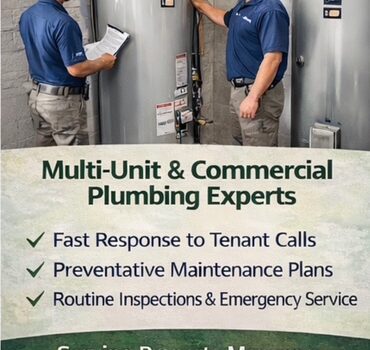
Finally, managing commercial plumbing maintenance requires both skill and consistency. Therefore, working with a professional plumbing partner is essential.
A reliable provider ensures every part of the plumbing checklist is completed correctly. In addition, they offer tailored solutions for commercial buildings, including emergency support and long-term planning.
Moreover, trusted guidance from organizations such as the Environmental Protection Agency and the Plumbing-Heating-Cooling Contractors Association can further improve maintenance standards.
Conclusion
In conclusion, a well-structured commercial plumbing maintenance checklist is essential for safe and efficient systems. Regular plumbing maintenance reduces breakdowns, lowers costs, and improves long-term performance.
To summarize, inspections, leak detection, drain care, and equipment servicing all play key roles. Together, they form a complete plumbing checklist that supports reliable operations in commercial buildings.
Therefore, by partnering with a trusted plumbing provider, property managers can ensure systems run smoothly year-round. Ultimately, preventative care is not just about fixing problems—it is about preventing them before they begin.