
INTRODUCTION
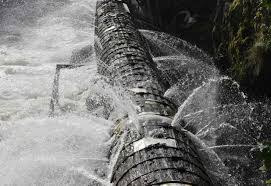
There are few home maintenance issues that can create problems as fast as busted pipes. Leaks can start off as small and then suddenly turn into a large amount of water damage, structural issues, and very costly repairs. Most people do not find out there is a problem until water starts leaking on the floor or dripping from the ceiling.
Most busted pipes come about due to excessive pressure in the pipe itself, old and worn-out piping systems, or because of environmental issues such as freezing temperatures. However, when you have damaged drains, you will have a silent helper (in a bad way) that will continue to add to the problem you already have by allowing water to continue to flow and adding to the pressure being put on the pipes.
Learning what to look for and learning how to recognize the early warning signs of the above-mentioned issues can assist homeowners in identifying and repairing problems before serious damage occurs and/or very expensive emergency repairs occur. This guide will cover common reasons for busted pipes, the signs to look for, and practical advice on protecting your home from plumbing disasters.
CAUSES OF BUSTED PIPES
There are several things that can lead to busted pipes in residential or commercial plumbing systems. One of the most common reasons is the freezing of water in the pipes. When water in a pipe freezes, it expands. The expansion creates pressure that can cause the pipe to burst or crack.
Another reason for busted pipes is corrosion. Older metal pipes can corrode over time and cause weakness in the pipe as the rust and minerals build up inside of the pipe. Eventually the pipe becomes so weak that it cannot withstand the normal water pressure that goes through it.
Clogs are yet another contributing factor to busted pipes. Clogs can impede the free flow of water in the pipes and increase the internal pressure inside of the pipes. In extreme situations, the pressure caused by clogs can cause both pipe ruptures and damaged drains.
Tree roots are also a hidden risk to your pipes. Tree roots naturally look for moisture in the ground and can easily grow into small cracks in pipes that exist underground. Once tree roots enter into a cracked pipe, they can continue to expand into the pipe, potentially breaking it and/ or causing significant blockage of your drainage system.
Lastly, poor installation and/ or using low-quality materials can cause premature failure of plumbing systems. Poorly connected pipes or poorly made connections can become weak points in the plumbing system, leading to leaks and/ or busts.
SIGNS YOU MAY HAVE A PIPE PROBLEM
Plumbing failures almost never just appear out of thin air. Homeowners usually see warning signs of trouble before a pipe fails.
One of the first signs is a decrease in water pressure. If the water coming out of your faucets seems to be weaker than usual, it is possible that you have a leak somewhere in the plumbing system.
Noisy pipes can also be a warning sign. Bangs, rattles, and whistles can all be indicative of pressure problems in the pipes or air being trapped in the pipes. Failure to address these types of issues may lead to a complete failure of the pipe.
Stains on walls and ceilings are another symptom. They are usually evidence of a slow leak that can eventually grow into a full-blown break in the pipe.
Yet another sign is an unexpected increase in your water bills. If you haven’t used more water than usual and your bill still comes back higher than normal, it’s possible that you have a hidden leak somewhere in your home.
In addition to those previously mentioned, a foul odor coming from your sink(s), or drain(s) can also be indicative of damaged drains, or severely clogged drains. Clogged drains can put added pressure on the surrounding pipes and potentially create a greater likelihood of future plumbing failures.
THE RISKS OF IGNORING PLUMBING ISSUES
If you ignore the early warning signs of a plumbing issue, you could be setting yourself up for a major headache. Busted pipes can release massive amounts of water into walls and floors of a home, allowing water to quickly penetrate and spread throughout the structure.
Some of the biggest risks include mold growing in damp areas of the home. Mold can be damaging to the structural integrity of the home, and can impact the overall quality of the indoor air.
Structural damage is another concern. Exposure to water can weaken the framing, drywall, and insulation of a home. In some cases, the extent of the damage may necessitate tearing out sections of walls or flooring.
Not only can plumbing failures cause significant damage, but they can also cause disruptions in your daily life. A home with multiple leaks may no longer have access to clean running water, and may have drainage issues in kitchen and bathroom facilities.
Repairing issues early is almost always cheaper and less stressful than having to deal with extensive repairs later.
HOW TO PREVENT BUSTED PIPES
Fortunately, many plumbing related problems can be prevented with regular maintenance and being aware of the signs of impending doom.
Insulating your pipes is probably the best thing you can do to protect against frozen pipes, especially in cold weather regions. Insulation will keep your pipes at a constant temperature and reduce the chances of your pipes freezing.
Another great step in maintaining your plumbing system is to schedule regular plumbing inspections. A professional plumber will be able to spot corrosion, loose fittings, and even small leaks before they become a big problem and cause a busted pipe.
Cleaning your drains regularly is also a good way to help prevent a busted pipe. Don’t pour grease down the drain, don’t pour food scraps down the drain, and do not dispose of anything else that you shouldn’t be flushing down the toilet. All of these items can cause clogs and contribute to a damaged drain and increased pressure in your pipes.
You should also check the pressure level of the water flowing into your home. High water pressure can cause unnecessary stress on the pipes and fittings of your plumbing system and may lead to leaks or busted pipes.
Finally, if you live in an older home, you may need to replace your plumbing materials. Newer materials are typically better and more resistant to corrosion than older systems.
You can get information and helpful tips on plumbing maintenance from organizations like the EPA’s WaterSense program, which offers suggestions and ideas on conserving water and preventing leaks.
You might also find useful information in our article regarding how to detect and fix hidden plumbing leaks, which will offer you even more ideas and strategies for preventing water damage to your home.
CONCLUSION
Busted pipes are likely one of the worst type of plumbing emergencies you can have in your home. Damage can be immediate, ranging from flood damage to structural damage, and in either case can be both financially devastating and emotionally traumatic.
However, most cases of busted pipes and damaged drains can be avoided through regular inspections of your plumbing system, insulating your exposed pipes, keeping your drains clean, and monitoring your water pressure. Early identification of potential problems, such as low water pressure, noisy pipes, or water stains on your walls or ceilings, can make the difference between a relatively inexpensive repair and a major plumbing disaster.
Maintaining your plumbing system regularly may not always seem urgent, but it is one of the most effective methods of preventing the type of damage that busted pipes can cause to your home and its occupants.