
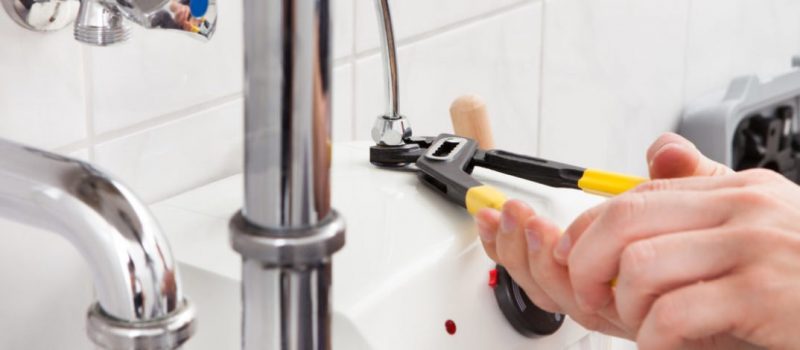
Noisy bathroom pipes can be quite the nuisance. Whether it’s a constant dripping sound, banging noises, or rattling when the water is turned on, these sounds can disrupt the tranquility of your home. Fortunately, with some knowledge and a bit of DIY spirit, you can address many of these issues without too much hassle. In this blog post, we’ll cover some of the common causes of noisy pipes, how to identify the source of the noise, and practical steps you can take to resolve the problem. For more persistent or complicated issues, don’t hesitate to contact a plumber near me or look up plumbing services in Carlsbad to ensure the job is done right.
Common Causes of Noisy Bathroom Pipes
Understanding why your pipes are making noise is the first step in resolving the problem. Here are some of the most common causes:
- Water Hammer: This is one of the most frequent causes of noisy pipes. Water hammer occurs when the flow of water is suddenly stopped, causing a loud banging sound. This typically happens when a faucet or valve is shut off quickly, and the water inside the pipe suddenly hits a closed valve, creating a shock wave.
- Loose Pipes: Pipes that aren’t securely fastened to walls or joists can rattle or vibrate when water flows through them. Over time, loose pipes can lead to leaks, so it’s best to address this issue promptly.
- High Water Pressure: If your home’s water pressure is too high, it can lead to rattling or whistling sounds in the pipes. Excessive pressure can also strain your plumbing system, leading to other issues down the road.
- Sediment Buildup: Minerals, especially in areas with hard water, can build up in your pipes and fixtures, leading to whistling or hissing noises. This is particularly common in older plumbing systems.
- Worn Out Washers or Valves: Over time, the washers and valves within your faucets can wear out, causing water to seep through in uneven flows. This often creates a whistling or squealing sound.
Step-by-Step Guide to Fixing Noisy Pipes
Now that we know the common causes, let’s look at some potential solutions. Here are steps you can take to troubleshoot and fix noisy bathroom pipes.
1. Install Water Hammer Arrestors
If water hammer is the issue, installing water hammer arrestors can help. These devices absorb the shock caused by the sudden stop in water flow, preventing the loud banging sound. Here’s how to go about it:
- Turn Off the Water Supply: Always start by turning off the main water supply to avoid any accidents.
- Drain the Pipes: Open a faucet to release any remaining water in the system.
- Install the Arrestor: Depending on the design of your plumbing system, you may need to install the arrestor near the offending valve. If you’re unsure, contact a plumber near me for assistance.
- Turn the Water Back On: Once installed, turn the water supply back on and check if the noise has stopped.
If you’re not comfortable with this process, consulting plumbing services in Carlsbad can make installation much simpler and ensure it’s done correctly.
2. Secure Loose Pipes
Loose pipes can create all sorts of noises when water is running through them. Here’s how to fix this:
- Inspect the Pipes: Check for pipes that are not firmly fastened. Common areas to check include under sinks, behind walls, and in the basement.
- Add Pipe Clips or Cushions: Use pipe clips or cushioned pipe hangers to secure any loose pipes to walls or joists. This will help prevent rattling and reduce noise.
- Tighten Existing Clips: If clips are already in place but have become loose, tightening them can help.
Securing loose pipes may involve removing small sections of drywall or cabinetry to gain access. For difficult-to-reach areas, you may want to hire a professional from plumbing services in Carlsbad.
3. Adjust Water Pressure
High water pressure can strain your plumbing system and lead to various noises. Here’s what you can do:
- Check the Pressure: Use a water pressure gauge, which you can purchase at most hardware stores, to check your water pressure. Ideal water pressure is between 40 and 60 PSI (pounds per square inch).
- Install a Pressure-Reducing Valve: If your pressure is too high, you may need to install a pressure-reducing valve on your main water line.
- Adjust the Valve: If you already have a pressure-reducing valve, try adjusting it to lower the water pressure.
If adjusting your water pressure feels complicated, reach out to a plumber near me who can help ensure your water pressure is properly set.
4. Clean Out Sediment Buildup
Sediment buildup can cause whistling noises and restrict water flow. Here’s how to address it:
- Turn Off the Water: Begin by turning off the main water supply.
- Flush Out the Pipes: Open all faucets and let the water run to flush out any sediment.
- Remove and Clean Fixtures: Showerheads and faucets can accumulate mineral deposits over time. Remove them and soak them in vinegar overnight to dissolve the buildup.
Keeping your pipes clean will reduce noise and extend the life of your plumbing fixtures. If sediment buildup is a recurring issue, consider consulting plumbing services in Carlsbad for additional water treatment solutions.
5. Replace Worn Out Washers and Valves
Old or damaged washers and valves can cause strange noises when water flows through them. Here’s what to do:
- Turn Off the Water: Always turn off the water supply before disassembling any part of your faucet.
- Inspect the Parts: Remove the faucet handle and inspect the washer and valve seat. If they appear worn, replace them.
- Reassemble the Faucet: Put everything back together and test to see if the noise has stopped.
For those unsure of their plumbing skills, hiring a local plumber can save time and ensure the repair is done correctly.
Conclusion
Noisy bathroom pipes are more than just a mild annoyance; they can sometimes indicate underlying issues with your plumbing system. By following these tips, you can troubleshoot and address common causes of noisy pipes, from water hammer to sediment buildup. For more complex issues, such as high water pressure or extensive sediment buildup, reaching out to a professional is often the best option. Finding a plumber near me or contacting plumbing services in Carlsbad can ensure that your pipes are fixed safely and effectively. With a bit of attention and the right tools, you can restore peace and quiet to your bathroom and keep your plumbing system in top condition.